
Investing in Irish Whiskey

This article explores how Irish whiskey can serve as an alternative investment for those looking to diversify beyond traditional assets such as stocks and bonds. This article covers why Irish whiskey has become increasingly sought after by collectors and investors, the risks involved, and practical ways to include Irish whiskey in a portfolio.

Investing in Irish whiskey

The Rise of Irish Whiskey as an Investment

Once limited to industry insiders, investment platforms are now making collectible whiskey available to individual investors. In recent years, Irish whiskey has experienced significant growth in both popularity and market value. Premium distilleries like Midleton, Teeling, and Bushmills have seen a surge in demand for limited editions and rare casks. Collectors and investors alike are drawn to the finite supply and cultural heritage of Irish whiskey, helping to preserve its value over time. In 2008, sales were around 4.4 million cases. By 2022, this had reached 14 million.

Advantages of Irish whiskey as an investment

  • Accessibility for non-insiders: Investment platforms are opening up cask ownership to individuals who otherwise wouldn’t have access to distillery supply chains or maturation warehouses.
  • Gets better with age: The value of whiskey rises as it ages. This can make it an ideal retirement investment as patient investors holding for 10 years or more can see the greatest returns.
  • Portfolio diversification and inflation hedge: Whiskey has a low correlation with traditional markets, meaning it can help reduce overall portfolio risk during stock market downturns and rare whiskey often appreciates faster than inflation.
  • The angel’s share: Every year, around 2–5% of whiskey naturally evaporates. This is because, as whiskey ages in barrels, a small portion evaporates through the wood. This is known as “the angel’s share”. This gradually reduces supply, which can support scarcity-driven value growth over time.
  • Cultural and emotional connection: Whiskey provides a tangible and culturally significant asset. Many people appreciate the added enjoyment of collecting, tasting, and learning about rare bottles.


Risks to Consider

  • Liquidity risk: Whiskey casks are not traded on open markets like stocks. Unlike shares, you can’t exit quickly if you need cash. Finding a buyer can take time.
  • Market volatility: While generally stable, collectible whiskey markets can fluctuate based on trends, distillery reputation, and consumer sentiment.
  • Valuation uncertainty: Casks don’t have a universally agreed daily price listed on an exchange like stocks and bonds.
  • Platform risk (middleman exposure): Most investors don’t deal directly with distilleries — the platform is the intermediary. If the platform goes out of business, your ownership rights could be unclear.
  • Reputation & scams: Unfortunately, whiskey investment has attracted scam operators. Some platforms use aggressive marketing, inflated projections, and in extreme cases even re-sell the same cask multiple times or even sell nonexistent casks.

Whiskey Investment Platforms
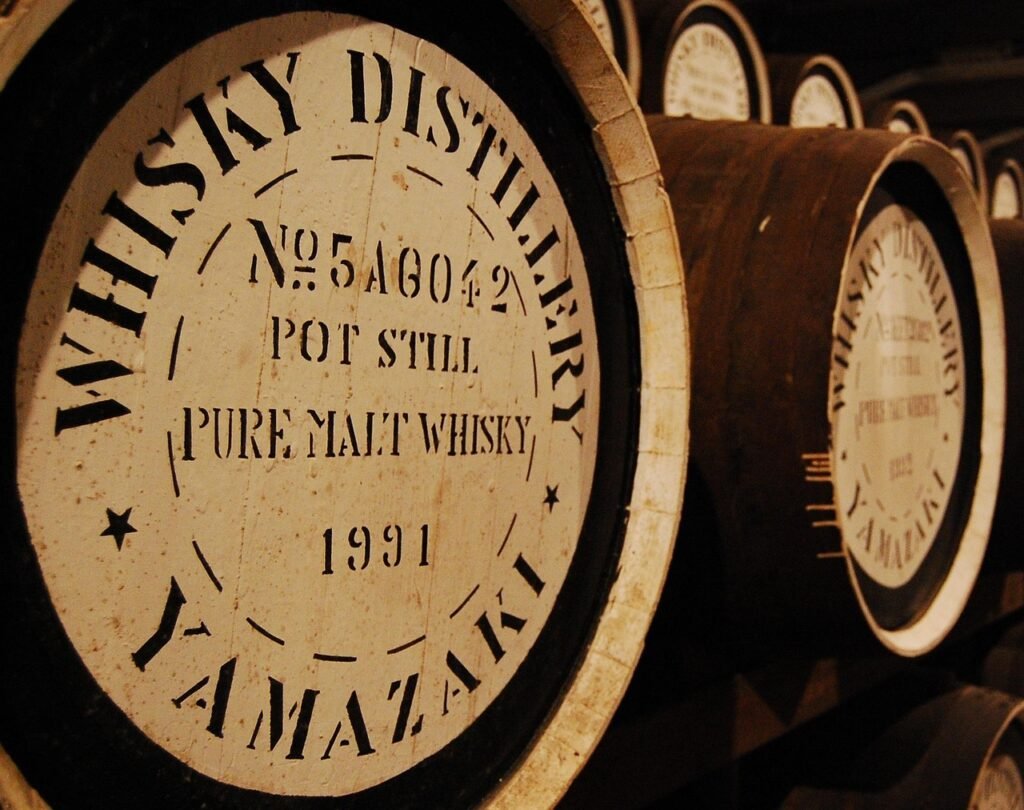
  • The Guild of Irish Whiskey: Specialists in premium Irish whiskey cask investment, the Guild of Irish Whiskey offers insured storage in Northern Ireland for a minimum of five years.
  • St. Patrick’s Distillery: Based in the Republic of Ireland, St. Patrick’s Distillery stores whiskey in insured, Irish government-approved warehouses. You can reserve a named cask, receive a certificate, a photo, and even a personalized bottle as a welcome gift.
  • CaskCap: Based in London, CaskCap provides access to Irish and Scotch whiskey casks stored in secure warehouses. They offer five years of free insurance and a free consultations to explore cask investment options.
  • House of Casks: Also based in London, House of Casks offers the opportunity to invest in Irish whiskey as well as American bourbon, Scotch and Japanese whiskey.
  • Woodvale: Aimed at both newcomers and experienced collectors, Woodvale offers new fill Irish whiskey casks at wholesale prices providing the potential to maximize investment, together with professional maturation and storage services.

The future of investing in Irish whiskey

Investing in Irish whiskey offers a unique avenue for retirement diversification. Its combination of cultural intrigue and the finite supply of aging casks makes it appealing for those seeking alternatives beyond conventional financial instruments. Rising global demand for premium and super-premium Irish whiskeys supports continued interest from individual investors in this niche alternative asset. Investment platforms are expected to play an increasing role by making cask ownership more accessible, offering secure storage, insurance, and exit options that were once only available to industry insiders.

At the same time, the unfortunate presence of some scam operators may lead to calls for greater scrutiny, transparency and even increased regulation. This could strengthen investor confidence but also raise barriers to entry for less-established operators.

By carefully incorporating Irish whiskey into a diversified retirement portfolio, investors can enjoy both potential financial rewards and the satisfaction of collecting a tangible, enjoyable asset.

Disclaimer: Past performance is not indicative of future returns. The purpose of this website is education and financial journalism. It is not a recommendation or personalized financial advice. Your personal circumstances have not been taken into account, and this website is not a substitute for consulting a qualified financial advisor.


Wine Investing Platforms: A New Approach to Something Very Old

This article explains how investors can use specialized wine investing platforms to diversify their portfolios beyond traditional assets like stocks and bonds with investment-grade wines. It covers the benefits and risks of wine as an alternative investment.

Beyond being enjoyable to drink, wine has also emerged as an alternative investment class. Much like art, rare coins, or classic cars, fine wine has shown the potential for long-term appreciation. In recent years, technology has made this once-exclusive market accessible to more investors than every before through specialized wine investing platforms. These platforms offer a streamlined way to buy, store, and sell investment-grade wines, democratizing an asset class that was traditionally the domain of collectors and connoisseurs.

What Are Wine Investing Platforms?

Wine investing platforms are marketplaces and management services that allow individuals to invest in fine wines without the need to be a wine expert. Traditionally, building a wine collection for investment required specialized knowledge of vintages, your own secure storage facilities kept at the correct temperature, insurance, and access to exclusive wine merchants or auctions. Today, platforms handle much of this on behalf of investors.

Through these platforms, investors can purchase shares of specific bottles or cases, or sometimes even buy fractional ownership in curated wine portfolios. The platforms typically manage storage in climate-controlled facilities, arrange insurance, and even enhance liquidity by allowing sales on a secondary market.

Why Invest in Wine?

  • Diversification: Wine values move independently of stock markets and real estate. This is because prices have unique drivers and are influenced by rarity, vintage quality, and collector demand rather than interest rates, corporate earnings, or housing supply. Even during stock market downturns, certain sought-after vintages can appreciate in value because the market is driven by factors outside macroeconomic cycles.
  • A tangible asset: Wine is a physical good with intrinsic value. Scarcity of rare vintages often drives appreciation. Some bottles are even consumed over time, reducing the supply even further.
  • Enjoyment beyond financial gain: Investing in wine also allows investors to enjoy the culture and history of fine wines.

Risks to Consider

  • Liquidity risk: Fine wines can take time to sell. Even if trading on a secondary market is available, fine wines are not as easy to sell as stocks or bonds.
  • Market volatility: The value of investment-grade wine is not without volatility and prices can fluctuate based on vintage reports, the reviews of critics, or shifts in global demand.
  • Platform risk (middleman exposure): Most investors don’t purchase investment-grade wine directly — the platform is the intermediary. If the platform goes out of business, your ownership rights could be unclear.

How Wine Investing Platforms Work

  • Onboarding: Investors sign-up and decide their investment strategy.
  • Portfolio construction: Depending on the platform, you can either choose specific wines, invest in managed portfolios, or buy fractional shares.
  • Storage and custody: The platform arranges professional storage with the necessary conditions.
  • Monitoring: Investors can track the performance of their portfolios via online dashboards, often with price updates linked to wine indices like Liv-ex.
  • Exit: Investors can either wait until the platform re-sells it to global collectors, merchants, or auction houses when its value peaks, or exit earlier by selling on the platform’s secondary market if this is available.

Wine Investing Platforms

1. Vin-X : Positioned as both a platform and advisory service, Vin-X offers curated selections, research reports, and direct access to global markets.

2. Cult Wines: Founded in 2007, Cult Wines is one of the oldest and most established in this space. It blends digital tools with expert curation, providing portfolios tailored to each investor’s risk appetite and time horizon. They also share market insights, offering education alongside investment.


3. Vindome: A platform based in Europe, Vindome focuses on making wine investment easy and accessible. It offers fractional ownership, real-time market data, and an easy-to-use app where investors can browse wines, monitor portfolios, and sell when ready.


4. WineCap: Helping investors take a more active role in decision-making, WineCap provides live pricing, detailed performance metrics, and research-driven recommendations.

5. Vinovest: Known as one of the most accessible platforms, Vinovest allows investors to start with as little as $1,000. It offers managed portfolios built with expert input, and ensures wines are securely stored and insured. Investors can track their holdings in real-time and sell internationally.


The Future of Wine Investing

As technology continues to transform alternative investments, wine investing platforms are opening the cellar doors to more investors than ever before, making investment-grade wine accessible to the wider population.

As investors increasingly seek assets outside traditional markets such as stocks and bonds, fine wine’s combination of cultural intrigue and historical resilience makes it an attractive way to diversify. Wine investing platforms are making it easier than ever to raise a glass to your portfolio’s future!

Disclaimer: Past performance is not indicative of future returns. The purpose of this website is education and financial journalism. It is not a recommendation or personalized financial advice. Your personal circumstances have not been taken into account, and this website is not a substitute for consulting a qualified financial advisor.

Fractional Art Investing: Democratizing Art

This article explores fractional art investing and how specialized platforms are allowing investors to buy and trade shares in prestigious masterpieces. It covers what fractional art investing is, why art can be a valuable alternative investment, risks and challenges, and how fractional art investing platforms work.

The House of the Jas de Bouffan by Cézanne

For centuries, investing in famous artwork had been the exclusive domain of a wealthy elite. Masterpieces by artists like Picasso, Monet and Cézanne often sell for millions of dollars, making them unattainable to the vast majority of the population. 

While traditional asset classes like stocks, bonds, and real estate are more widely accessible, art remained a market largely reserved for the super-rich. Today, this is now changing. A growing trend known as fractional art investing is opening the art world to everyday investors allowing them to own a portion, or “fraction”, of prestigious masterpieces.

This innovative investment model is reshaping both the financial and cultural landscape, merging art with fintech to create a new asset class that offers diversification, prestige, and potential profit.

What is fractional art investing?

Fractional art investing works much like shares in a company. Instead of one person purchasing a masterpiece outright, a platform or fund acquires the artwork and then divides its ownership into shares. These shares are then sold to multiple investors.

For example, if a painting is purchased for $10 million, a platform might split it into 100,000 shares at $100 each. Investors can then purchase as many shares as they like, gaining proportional ownership of the artwork’s value. If the artwork appreciates and is later sold for $15 million, each shareholder benefits from the gain, minus the platform’s fees. This model allows investors to participate in the art market without needing millions of dollars in capital.

Why art as an Investment?

Art has long been considered a “passion asset,” often purchased for aesthetic enjoyment or status rather than financial gain. However, art can also be a valuable addition to an investment portfolio.

According to the Art Basel and UBS Art Market Report 2025, the global art market recorded USD $57.5 billion in sales in 2024. At the high end, works by blue-chip artists with established reputations and consistent demand have delivered strong returns. Research also indicates that art prices often move independently of stock markets, making it an attractive hedge against volatility.

Landscape with Dunes by Vincent van Gogh sold for $4,043,000 million at Christie’s in New York in May 2025

How fractional art platforms work

The rise of fintech has been pivotal to the development of fractional art investing. Platforms like Masterworks, Yieldstreet, and Artex (among others) acquire high-value artworks and register them as securities with financial regulators such as the Securities and Exchange Commission (SEC) in the United States. Investors then buy shares in the artwork via online platforms

Typically, the process works like this:

Acquisition: The platform’s art experts identify and purchase a work they believe has strong appreciation potential.

Securitization: The artwork is turned into a legal entity, often a limited liability company (LLC), whose shares represent ownership.

Offering: Shares are sold to investors through the platform.

Holding period: The artwork is typically held for several years.

Exit: The artwork is sold. Proceeds are distributed to investors based on their ownership percentage.

On some platforms, investors can also trade their shares on a secondary market, providing liquidity in a market that has traditionally been very illiquid as it can be challenging to find the right buyer for famous artworks.

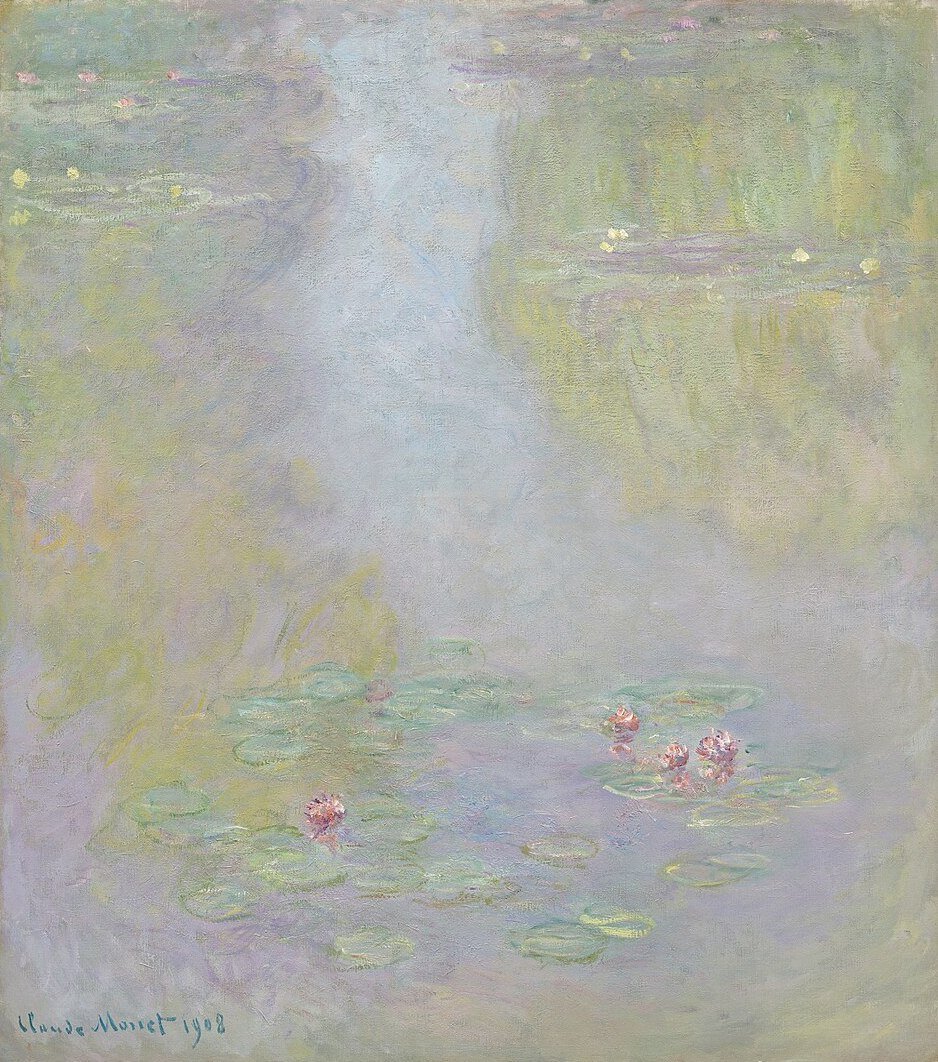
Nymphéas by Claude Monet sold for $65.5 million at Sotheby’s in New York in November 2024

The advantages of factional art investing

  • Low correlation with traditional markets: During stock market downturns and bear markets, famous masterpieces have historically shown resilience.
  • Diversification: Adding art to a portfolio spreads risk across multiple asset classes.
  • Professional expertise: Platforms employ art market specialists who conduct due diligence and authentication, reducing the risk of fraud.
  • Prestige and emotional return: Owning a piece of a Picasso or a Monet can be incredibly enjoyable and carries emotional value beyond financial returns.

Risks and challenges

  • Liquidity: Even with secondary trading, selling shares in famous artwork can still be harder than selling stocks or bonds.
  • Valuation challenges: Unlike publicly traded stocks which have universally agreed prices listed on exchanges, art values are subjective and often based on auction results and the appraisals of experts.
  • Market volatility: While art can hedge against the volatility in other markets, the value of art is influenced by what is fashionable, changing tastes, and collector demand.
  • Platform risk (middleman exposure): Investors aren’t purchasing the entire masterpiece personally — the platform is the intermediary. If the platform goes out of business, your ownership rights could be unclear. Even if the artwork itself is insured and stored securely, reclaiming fractional ownership or selling your share could be complicated.

The future of fractional art investing

Fractional art investing represents a major shift in both the financial and art worlds, and is part of a wider movement towards the democratization of markets that were once only open to a wealthy minority. 

By breaking down barriers to entry and harnessing advancements in technology, fractional art investing is allowing a much larger proportion of the population to participate in a market once reserved for billionaires and institutions. While risks remain, particularly around liquidity and valuation, the potential for investment diversification combined with cultural connection is compelling for many. For investors seeking both financial return and a piece of cultural history, fractional art investing presents an exciting and innovative opportunity.

Disclaimer: Past performance is not indicative of future returns. The purpose of this website is education and financial journalism. It is not a recommendation or personalized financial advice. Your personal circumstances have not been taken into account, and this website is not a substitute for consulting a qualified financial advisor.

List of Alternative Investments

This article provides an overview of alternative investments, covering categories such as collectibles, commodities, private equity, hedge funds, real estate, and timberland. For each type of alternative investment, we explore the potential benefits, and the potential risks.

Collectibles (Art, Wine, Antiques, Watches, Rare Cars)

Collectibles are tangible items with value driven by rarity, demand, and origin. These can range from fine art and vintage cars to rare wines and luxury watches.

Pros:
• Potential for significant appreciation

• Enjoyable to own and display

• Limited supply can enhance value


Cons:
• Highly illiquid: it can be challenging to find the right buyer if you wish to sell, in contrast to stocks which are highly liquid and can be sold to other buyers quickly

• Difficult to value accurately

• Requires expertise or access to trusted dealers

Commodities

Commodities include physical materials such as gold, silver, oil, and agricultural products. Investors can access commodities through futures contracts, Exchange Traded Funds (ETFs), or by owning the physical asset. In England, physical gold can be held in the form of Gold Sovereigns which are coins composed of 90%+ pure Gold and are exempt from Capital Gains Tax in the country.

Pros:
• Historically an effective hedge against inflation

• A harbour in the storm: in times of political instability or economic downturns, investors often flock to gold

• Global demand can drive long-term growth


Cons:
• Highly volatile in the short-term: gold prices can swing significantly on global markets
• Storage: physical gold requires safekeeping and sometimes insurance

• No dividends: gold doesn’t produce income like stocks or bonds

Private Equity

Private equity involves investing directly in private companies, either through venture capital (start-ups) or buyouts of established businesses. Most companies are not publicly traded so private equity gives investors access to a larger universe of companies. In the United States for example, there are roughly 30 million private businesses, but only about 4,000–5,000 are publicly traded on exchanges like the New York Stock Exchange or NASDAQ.

Pros:
• Potential for high returns

• Access to early-stage or high-growth companies

• Low correlation with public markets and therefore not subject to short-term price swings like stocks.


Cons:
• High minimum investments

• Illiquid and often requires a multi-year commitment

• Less regulatory oversight and transparency

Hedge Funds

Hedge funds are investment funds that pool money from multiple investors similar to mutual funds. However, the key difference between hedge funds and mutual funds is that hedge funds are not restricted in the types of investments they can make like mutual funds are. Mutual funds are restricted to stocks and bonds, but hedge funds are free to investing in anything. Typical examples include interest rate swaps, commodities such as oil and gold (often via futures contracts), and can even include profiting from geopolitical events using currencies (FOREX).

Hedge funds are designed to provide returns regardless of market conditions, though they are often complex and expensive.

Pros:
• Potential for significant returns

• Diversification through advanced strategies

• Professional management


Cons:
• High fees (often “2 and 20”: 2% management, 20% performance)

• Less transparency

• Usually only available to accredited investors


Real Estate

Real estate remains one of the most popular alternative investments. Whether it’s residential rental properties, commercial buildings, or land itself, real estate provides both income potential and long-term appreciation.

Pros:
• Income potential: rental properties can generate a relatively steady cash flow

• A tangible asset: it’s a physical asset you can see and use, unlike many financial investments

• Historically a good way to protect against inflation: rents and property values often rise with inflation


Cons:
• High up-front cost

• Often requires property management and oversight

• Property values can fall during downturns, as famously seen during the 2008 financial crisis

Timberland

The purchase and management of forested land for profit has been growing in popularity among both institutional and individual investors in recent years. Once considered a niche asset class dominated by paper and lumber companies, timberland is now recognized as a strategic way to diversify portfolios, generate long-term returns, and hedge against inflation. The World Bank projects global timber demand could quadruple by 2050 driven by population growth, urbanization, and housing needs. This combined with its potential as an element in net-zero strategies have contributed to timberland’s growing appeal. It is now seen by many investors as a compelling alternative to more traditional real-estate and commodity investments.

Pros:
• Tangible asset with real-world intrinsic value

• Potential for multiple income streams: revenue from timber sales, carbon credits, or land appreciation

• Historically low correlation with other markets such as stocks and bonds


Cons:
• High up-front costs: buying quality timberland requires substantial initial capital

• Exposure to environmental risks: storms and wildfires can damage assets

• Illiquidity: selling large tracts of land can take months or years


Disclaimer: Past performance is not indicative of future returns. The purpose of this website is education and financial journalism. It is not a recommendation or personalized financial advice. Your personal circumstances have not been taken into account, and this website is not a substitute for consulting a qualified financial advisor.